To be honest, before visiting Buenos Aires, Argentina, I had a clear mental image of the city: tango, European-style architecture, cafés, and the feel of a South American metropolis with an Old World charm.
But upon arrival, I discovered it was a bit more complex than I’d imagined—it isn’t merely a “sightseeing city,” but one with a palpable emotional atmosphere. You can easily sense the shifting rhythms of the city in its streets, cafés, plazas, and the twilight hours.
It doesn’t try to lure you in with tourist attractions; instead, it captivates you with its “ambiance.”
I. Arriving in Buenos Aires: Stepping into a “Slow-Paced Urban Feel”
My first impression upon landing wasn’t one of bustling intensity, but rather a sense of ease and relaxation.
The journey from the airport to the city center is quite long, yet the city lacks that overwhelming sense of density. The roads are wide and the architecture increasingly historic, yet the overall pace remains unhurried.
Once you enter the city center, a distinct characteristic becomes apparent: the city makes no attempt to let you understand it quickly.
It feels more like it is slowly unfolding before you.
The streets are lined with old buildings, leafy trees, and sidewalk cafés, occasionally interspersed with graffiti-covered walls and bookstores. I didn’t plan a packed itinerary for the first day; simply taking a walk near my hotel allowed me to start sensing the city’s unique character.
II. The City Center: Feeling the Weight of History at Plaza de Mayo
My first stop was the Plaza de Mayo.
This is one of Buenos Aires’ most pivotal historical areas, surrounded by government buildings and landmarks.
Standing in the middle of the plaza, you experience a striking contrast: the open, expansive space set against the commanding presence of the surrounding architecture.
The flow of people is steady rather than crowded, a mix of tourists and locals.
The impression I got from this area was that it isn’t a “tourist-ified” historical district, but a vibrant city center that remains very much in use.
You can clearly sense how history and everyday life are layered together here.
III. San Telmo: Stepping into Old Buenos Aires Along Cobblestone Streets
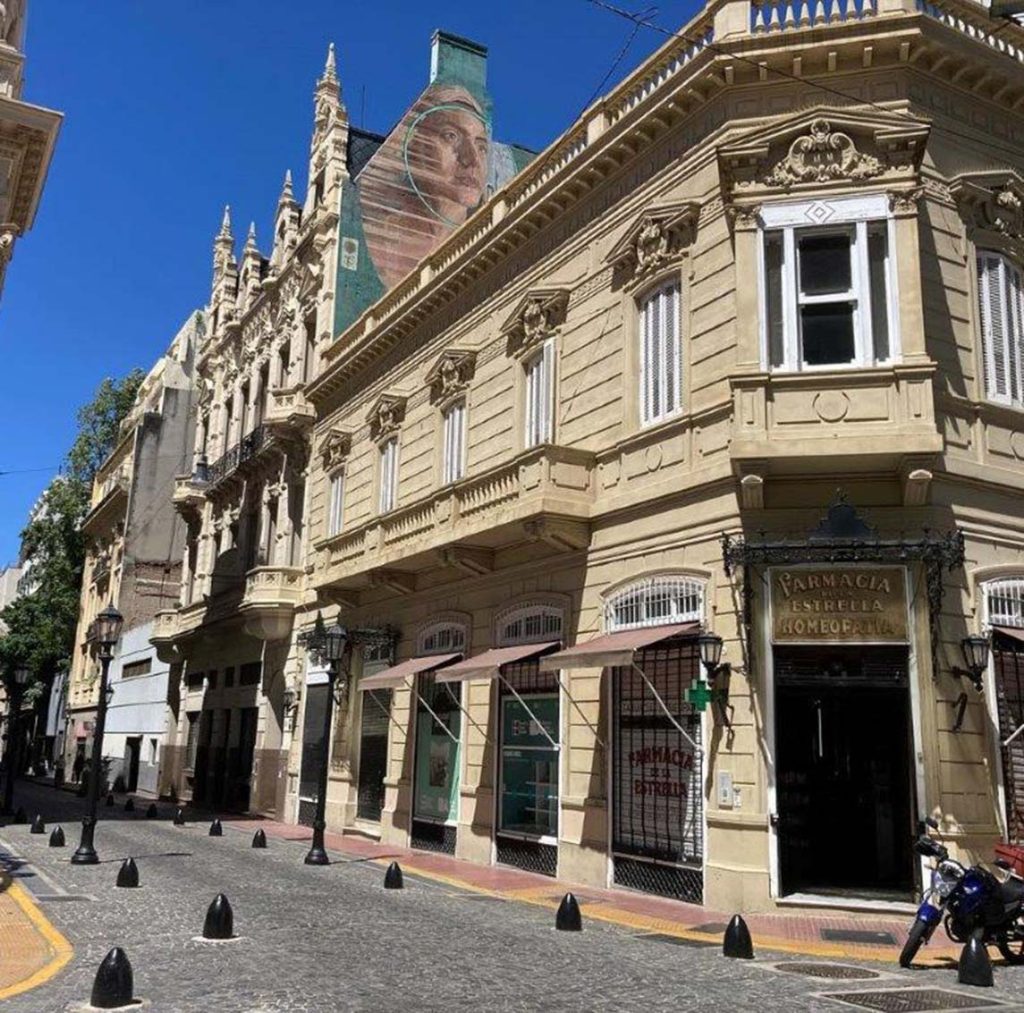
Later, I visited San Telmo.
The atmosphere here shifts noticeably. The streets narrow, the buildings look a bit older, and the cobblestones and vintage balconies imbue the area with a palpable sense of time.
What makes this place so interesting is its pace.
You don’t get the feeling that it is “rapidly developing,” but rather that it simply “endures.”
I had no specific agenda in San Telmo; I just wandered slowly through the streets. Occasionally, I’d come across small flea markets, antique stalls, or street musicians.
Once, while passing a small plaza, I saw someone playing live tango music; passersby stopped naturally to watch, without the self-conscious air of a crowd gathering around a spectacle.
In that moment, I realized that the city’s culture isn’t something put on display—it happens organically.
IV. La Boca: Color, Football, and Street Expression
La Boca is another iconic neighborhood in Buenos Aires.
It offers a striking visual impact: a blend of colorful buildings, murals, street art, and football culture.
The most famous area is “Caminito”; while it draws many tourists, the overall atmosphere remains authentically “street-style.”
I didn’t spend long there, but it left a deep impression.
It doesn’t feel like a “tidy tourist zone” in the traditional sense; instead, it feels like a community that is constantly expressing itself.
Football elements are everywhere—especially the culture surrounding Boca Juniors—visible on almost every street corner.
The experience here is more “extroverted,” contrasting sharply with the understated nature of San Telmo.
V. Recoleta Cemetery and the City’s Upper-Class Aura
Later, I visited Recoleta Cemetery.
It is completely different from the neighborhoods I had visited earlier.
It is quieter, more orderly, and possesses a distinct sense of structure.
The cemetery feels like a miniature city, featuring exquisite architectural designs and memorials dedicated to historical figures.
As I walked through it, I felt a strong sense of “layered time”—not just a singular past, but various historical eras coexisting side by side.
This stop revealed a more rational, composed side of Buenos Aires.
VI. The City at Dusk: Buenos Aires’ Most Evocative Hour
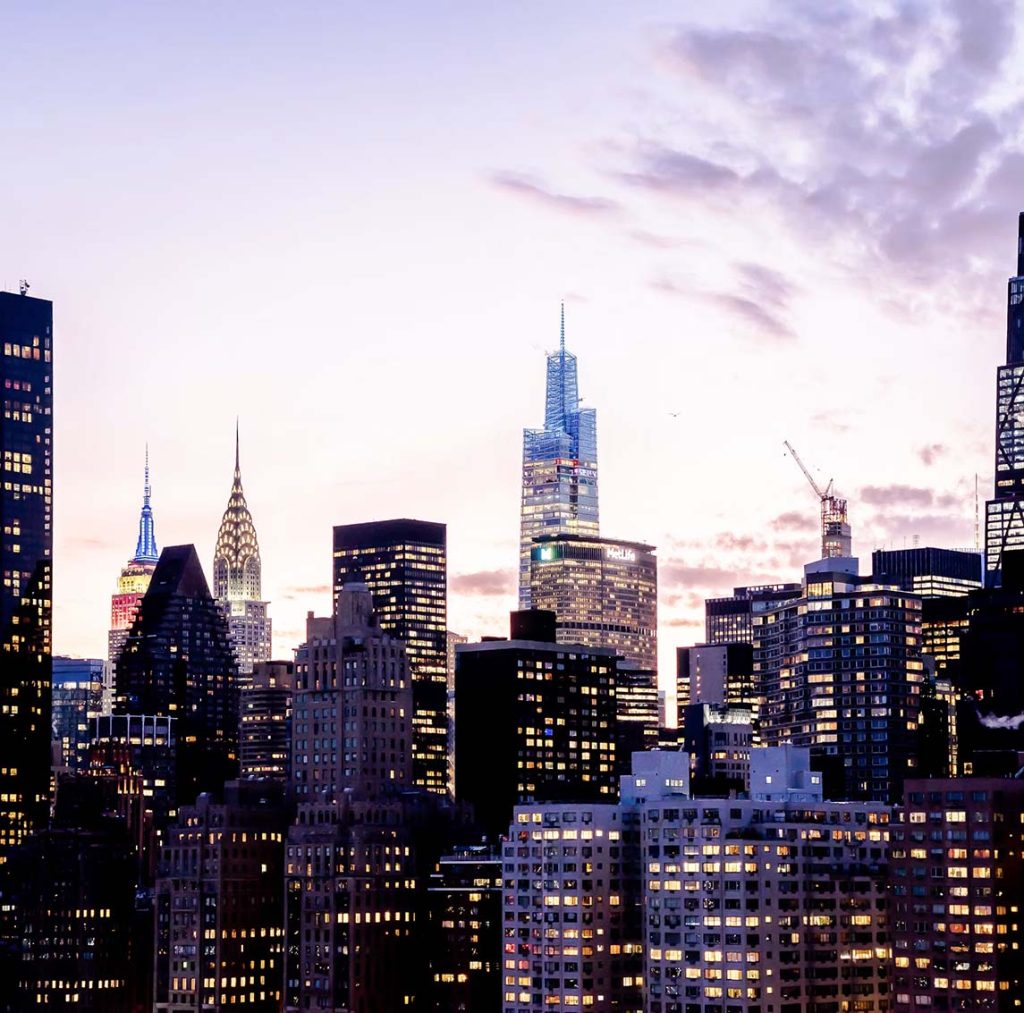
My most unforgettable moments in Buenos Aires, Argentina, actually occurred at dusk.
As the sun slowly sets, the city’s colors undergo a remarkable transformation. Long shadows stretch from the walls of old buildings, and the light on the streets begins to dim; yet, the atmosphere doesn’t turn desolate—instead, it settles into a gentle, mellow state.
This shift is not abrupt, but gradual.
You see people strolling along the roadside, others sitting by the plaza, and some simply standing quietly, watching the changing light. The city’s rhythm seems to slow down ever so slightly, without ever coming to a halt.
There were times I wandered aimlessly through the neighborhoods—without a destination or a schedule. As I walked, I realized that dusk itself had become the city’s most essential “experience.”
It isn’t a specific tourist attraction, yet almost every urban space takes on a different character during this time of day.
Buenos Aires is not a city you simply “see and leave”
Reflecting on my trip to Buenos Aires, Argentina, my strongest impression is that the city’s essence isn’t defined by a collection of tourist sights. It is, rather, a city defined by its atmosphere. It is the combination of these elements that creates the complete Buenos Aires experience.
For me, the most significant takeaway was this: the city isn’t meant to be merely “seen”—it invites you to gradually immerse yourself in its rhythm.